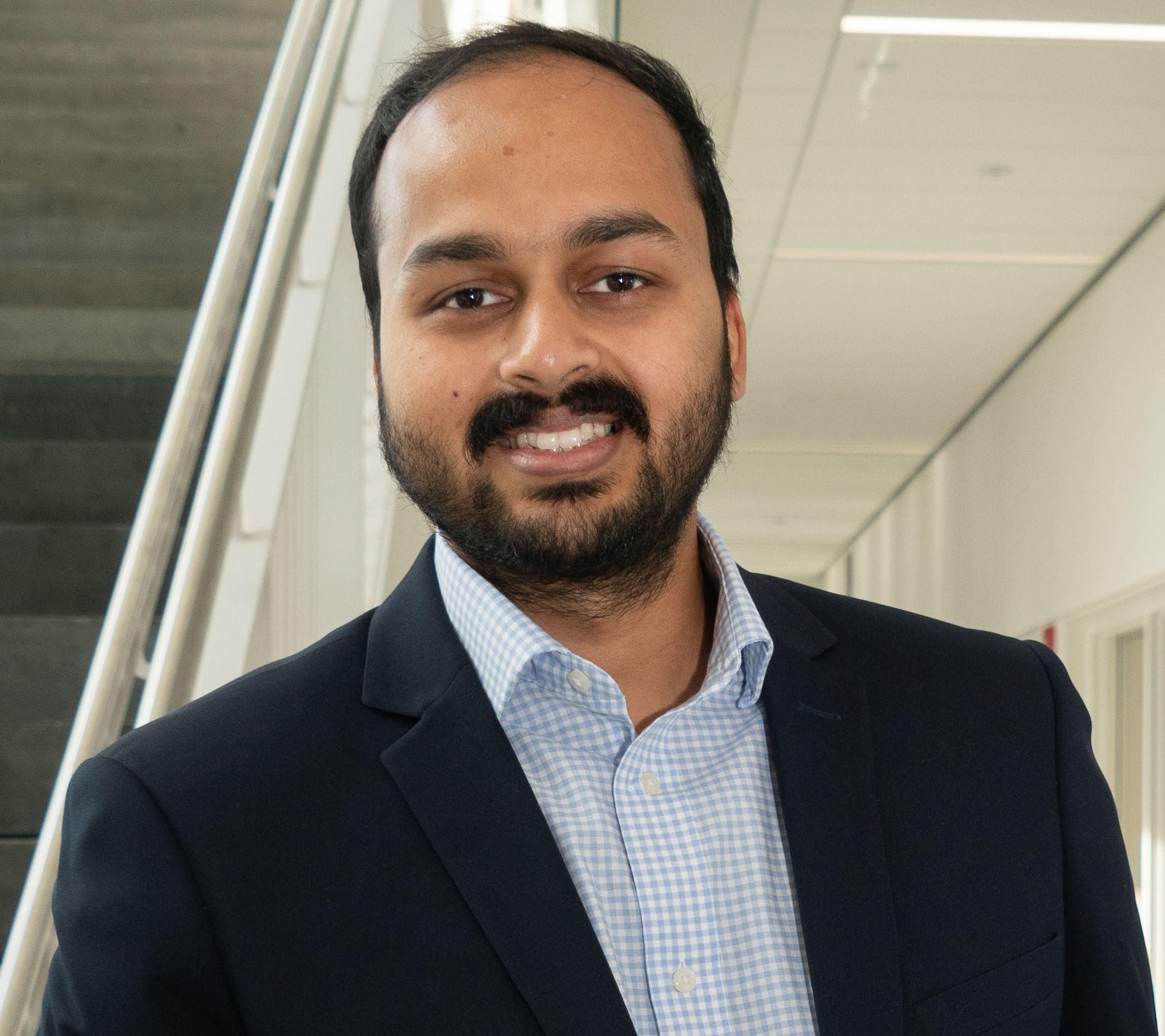
I am a Postdoctoral Research Scientist in Westervelt Aerosol Group at the Lamont-Doherty Earth Observatory, Columbia University. My research focuses on building machine/deep learning models to estimate air pollutants using satellite-derived features and weather reanalysis parameters, validated with ground-level sensors across sub-Saharan Africa. I further leverage these datasets to investigate health impacts of air pollution to support effective local policymaking.
I earned my Ph.D. in Mechanical Engineering from Carnegie Mellon University, where I worked with Prof. Albert Presto on developing low-cost techniques to measure atmospheric particulate matter and identifying emission sources from low-cost sensor networks. I also built a deep learning forecast model for PM2.5 over Pittsburgh using features from NASA’s GEOS-CF model and a spatially deployed low-cost sensor network.
I hold an M.Phil. and an M.Sc. from the Hong Kong University of Science and Technology and a B.Tech. in Civil Engineering from the Indian Institute of Technology Delhi.
News
- 2026.10: Co-authored paper on the effects of NYC Congestion pricing on local air quality is published in ES&T Letters.
- 2026.10: Workshop lead for the Climate Change Workshop at the 2026 PATS MECOR Meeting, Brackenhurst, Kenya.
- 2026.08: Served as a proposal reviewer for the NASA ECIP-ES ESDS panel.
- 2026.07: Gave an invited talk in the NUIUC-KYUSHU-NTU Trilateral Workshop at UIUC.
- 2026.05: Attended the student showcase for the 2025-26 Scientist-in-Residence (SiR) organized by the New York Academy of Sciences as a scientist mentor.
- 2026.05: Gave a talk at the AeroCenter-CPC seminar at NASA Goddard Space Flight Center, Greenbelt, MD.
- 2026.04: Presented at the 2026 HEI Annual Conference in Chicago.
- 2026.04: Gave an invited talk at the 2026 Climate & Health Research Webinar Series organized by the Climate and Health Evaluation for Adaptive Resilience (CLEAR) cohort.
- 2026.03: Invited to serve on the AGU Atmospheric Science Section Early Career Committee.
- 2026.02: Selected for Jane Warren Award to present in the 2026 Health Effects Institute Annual Conference.
- 2026.01: Visited Ghana to conduct in-person workshops on geospatial datasets and satellite-remote sensing at Ghana EPA and Kintampo Health Research Center.
- 2025.12: Presented research in the NASA Health and Air Quality (HAQ) session at AGU 2025 in New Orleans, Louisiana.
- 2025.09: Selected to serve as a Scientist-in-Residence (SiR) mentor through the New York Academy of Sciences for 2025-26.
- 2025.06: Presented at the CAMS-Net and SPARTAN meeting hosted at Washington University in St. Louis.
- 2025.05: Attended the WCRP Global km-Scale Hackathon at GFDL, Princeton University.
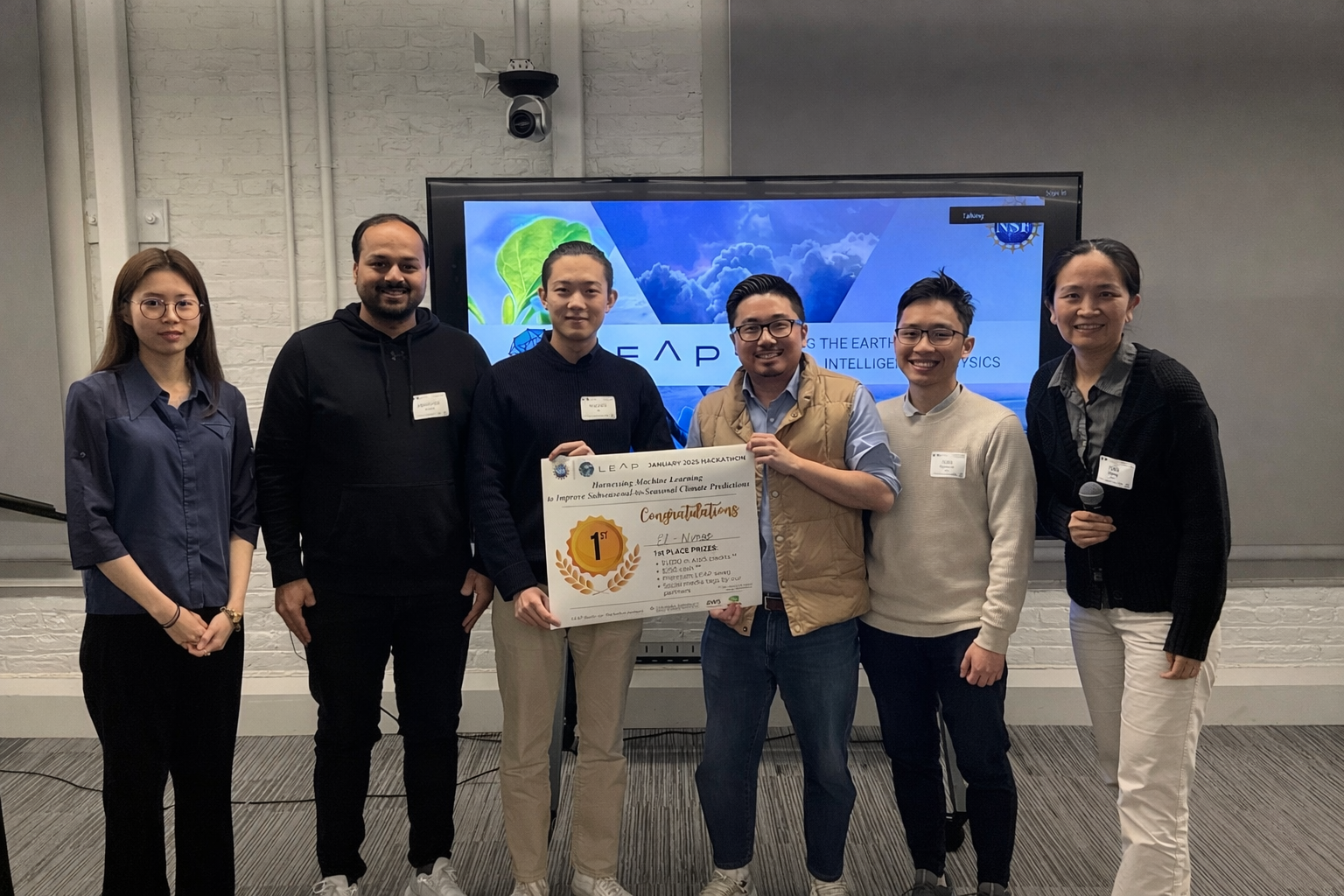
- 2025.01: Team El Ninos won 1st place at the LEAP Hackathon "Harnessing Machine Learning to Improve Subseasonal-to-Seasonal Climate Predictions" at Columbia University.
- 2024.11: Joined as a postdoctoral research scientist at Columbia University.
- 2024.05: Joined as a postdoc at CMU.
- 2024.04: Defended his Ph.D. Thesis at CMU.
- 2022.08: Awarded the prestigious Dowd Fellowship by the School of Engineering at Carnegie Mellon University.
- 2022.03: Milton Shaw Ph.D. Research Award, Department of Mechanical Engineering, CMU.
Research Interests
My research interest lies in the application of image processing and machine learning for building geospatial models to derive air pollutant concentrations using satellite remote sensing and reanalysis datasets. I am further interested in leveraging these datasets to assess health impacts and associated socioeconomic disparities in air pollution exposure.
Education
- Ph.D., Mechanical Engineering, Carnegie Mellon University, Pittsburgh (2024)
- M.Phil., Environmental Science, Policy and Management, Hong Kong University of Science and Technology (2020)
- M.Sc., Environmental Engineering and Management, Hong Kong University of Science and Technology (2017)
- B.Tech., Civil Engineering, Indian Institute of Technology Delhi, New Delhi, India (2015)
Publications
* represents corresponding author
2026
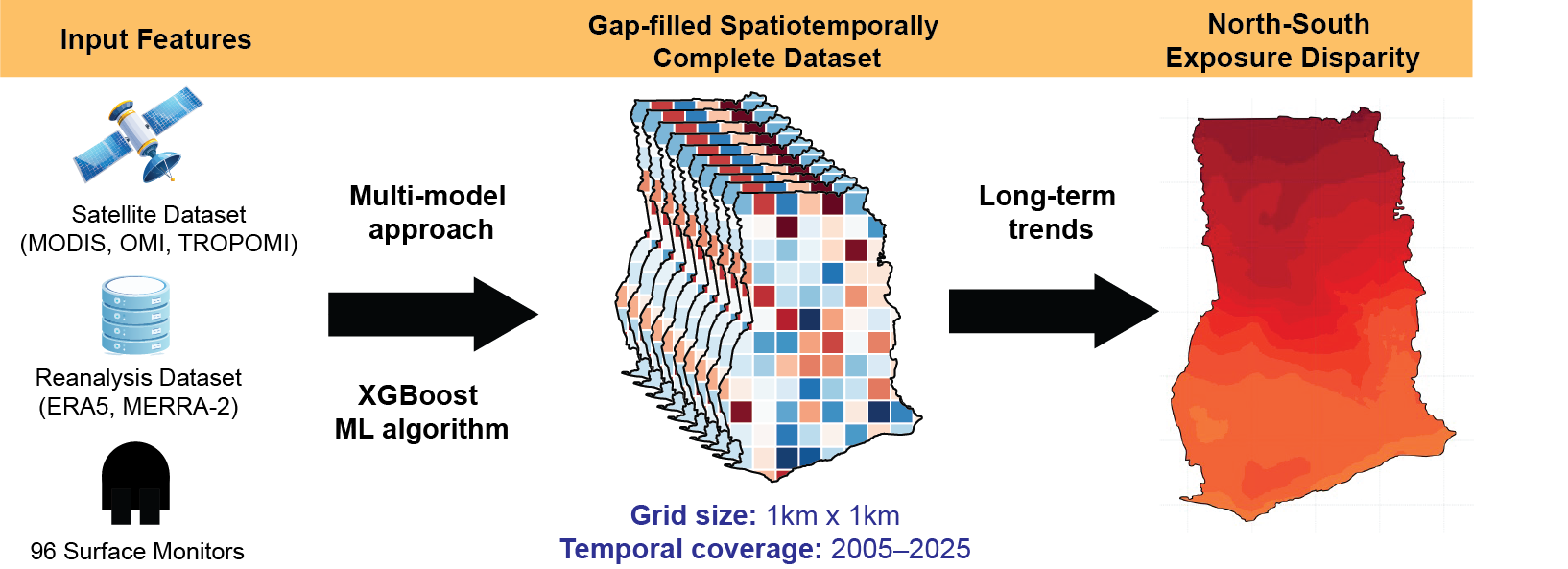
Two decades of kilometer-scale daily PM2.5 from satellite observations and machine learning reveal geographically diverging exposure in Ghana
Abhishek Anand*, Joe A. Amooli, …, Daniel Westervelt
Project website (Columbia University)
Preprint available on EarthArXiv
Using satellite observations, surface monitoring data, and machine learning, we develop a 1 km × 1 km daily PM2.5 dataset for Ghana spanning 2005–2025. We characterize long-term spatial and temporal trends in air pollution exposure and identify substantial geographic disparities in PM2.5 burden across the country.
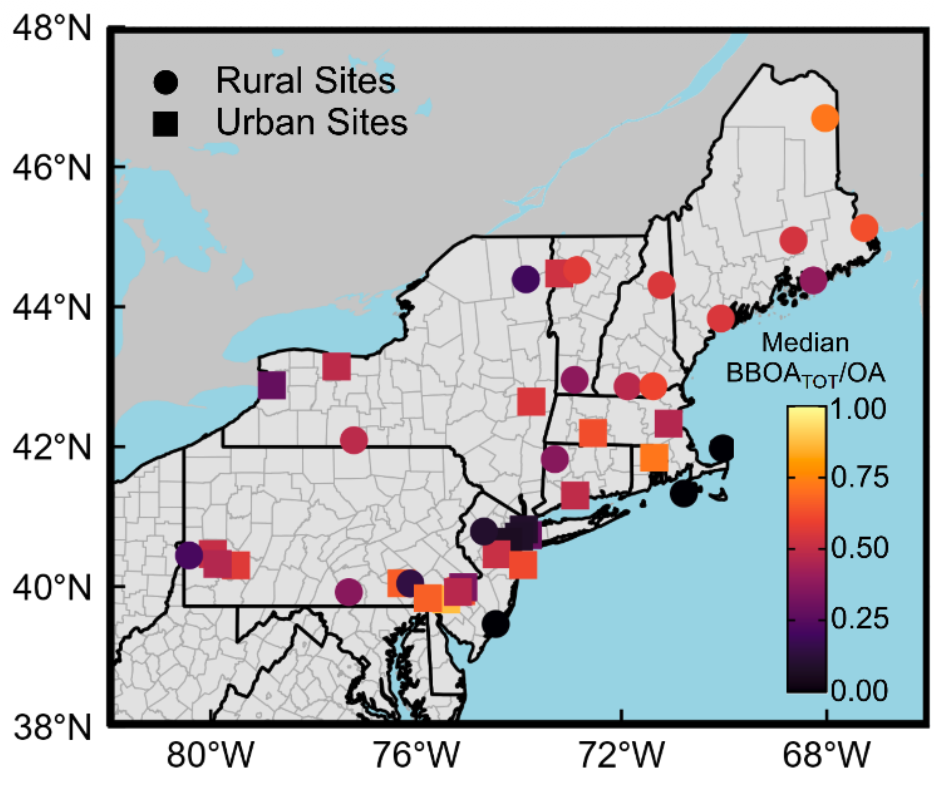
Observational constraints uncover the extensive contributions of biomass burning to organic particulate matter
Mitchell J. Rogers, Taekyu Joo, …, Abhishek Anand, …, Drew R. Gentner*
Preprint available on ChemRxiv
Combining observational datasets with atmospheric analysis, the study quantifies the substantial contribution of biomass burning emissions to organic particulate matter and demonstrates the importance of biomass combustion as a dominant source of particulate pollution across affected regions.
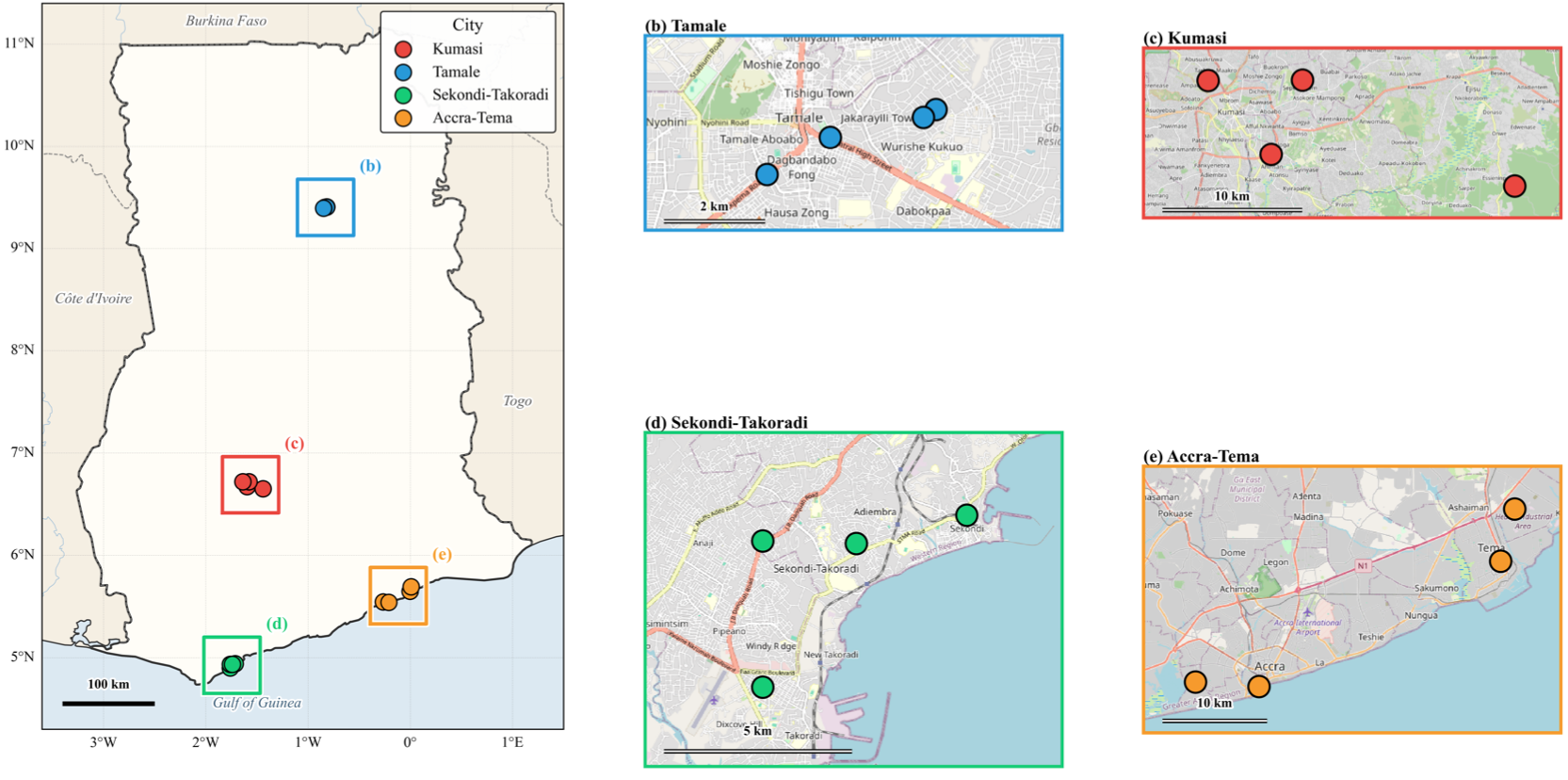
Nephelometer-based air sensor networks systematically underestimate PM2.5 in dust-influenced West Africa
Daniel M. Westervelt*, Abhishek Anand, …, Nana Ama Browne Klutse
We characterize PM2.5 pollution across four metropolitan areas in Ghana using a multi-year air quality monitoring network and evaluate the performance of optical particle sensors. Our findings highlight geographic and seasonal differences in pollution and show that nephelometer-based sensors can substantially underestimate particulate matter under dusty conditions.
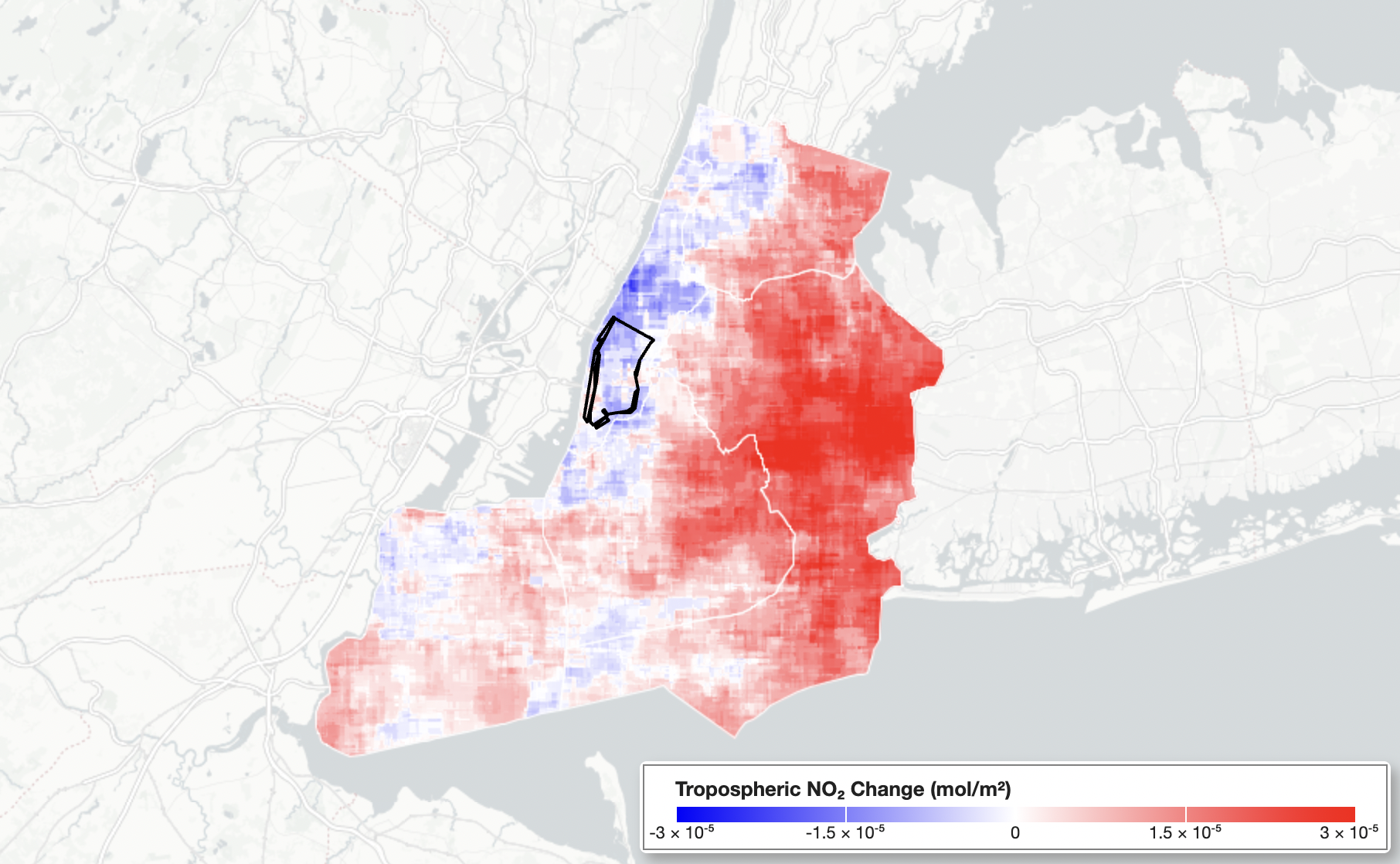
Attributing PM2.5 and NO2 Changes One Year After New York City’s Congestion Pricing Policy
Polina M. Goldberg, Abhishek Anand, Daniel Goldberg, Daniel Westervelt*
Using a difference-in-differences analysis, we assess the short-term impact of NYC’s Central Business District Tolling Program (CBDTP) on PM2.5 and NO2 across all five boroughs using NYCCAS monitors and satellite observations.

[Dataset] Gridded Daily PM2.5 at 1 km x 1 km Resolution from 2005-2025: Ghana
Abhishek Anand*, Joe Amooli, Daniel Westervelt
Dataset v2 (Zenodo) | GRASP Project
This dataset provides daily estimates of surface PM2.5 concentrations across Ghana at 1 km x 1 km resolution, integrating satellite observations, ground-level monitors, and machine learning over 20 years (2005-2025).
2025
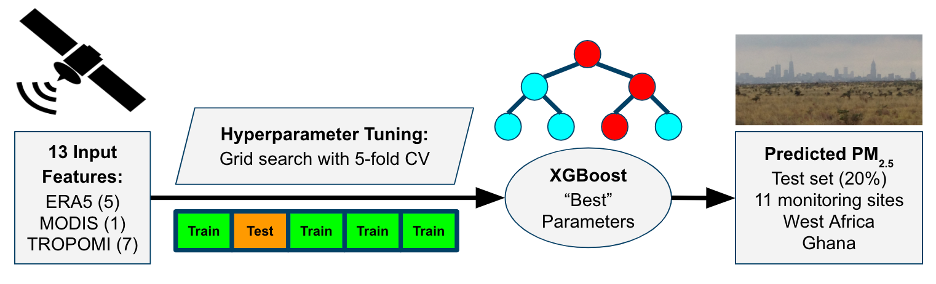
Twenty Years of High Spatiotemporal Resolution Estimates of Daily PM2.5 in West Africa Using Satellite Data, Surface Monitors, and Machine Learning
Daniel Westervelt*, Joe Adabouk Amooli, Abhishek Anand
We develop machine/deep learning models using satellite-derived and weather reanalysis parameters to estimate daily PM2.5 for Ghana at 1 km resolution over 2005-2024, validated against an extensive surface monitoring network.
2024
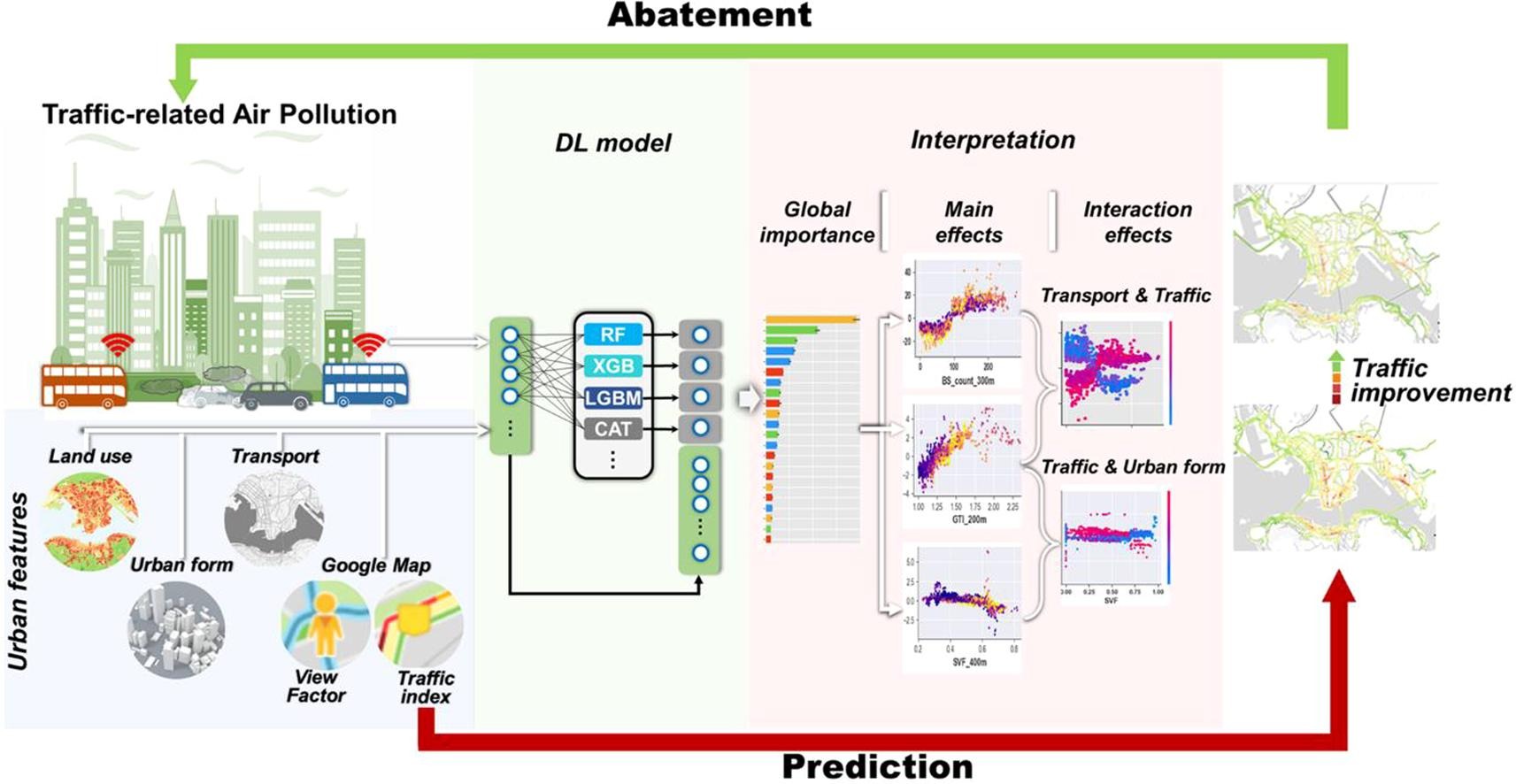
Combining Google Traffic Map with Deep Learning Model to Predict Street-Level Traffic-Related Air Pollutants in a Complex Urban Environment
Peng Wei, Song Hao*, Yuan Shi*, Abhishek Anand, Ya Wang, Mengyuan Chu, Zhi Ning*
We built a deep learning model to predict fine-scale NOX from traffic at street-level, combining data from mobile air quality sensors on buses with crowd-sourced Google real-time traffic status.
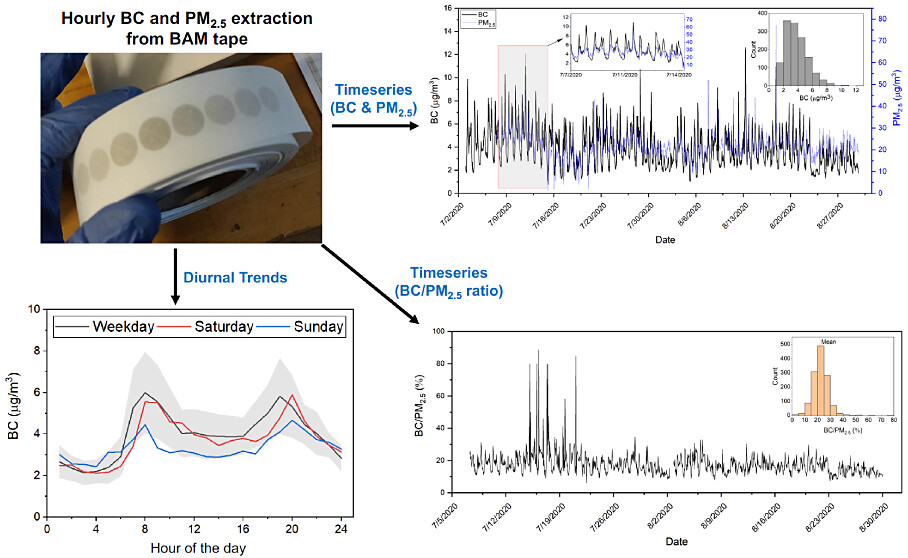
Low-Cost Hourly Ambient Black Carbon Measurements at Multiple Cities in Africa
Abhishek Anand, N’Datchoh Evelyne Toure, Julien Bahino, …, Albert A. Presto*
We applied the image processing method from Anand et al. (2023) to used filter tapes from Beta Attenuation Monitors (BAMs) to measure atmospheric black carbon in African cities.
2023
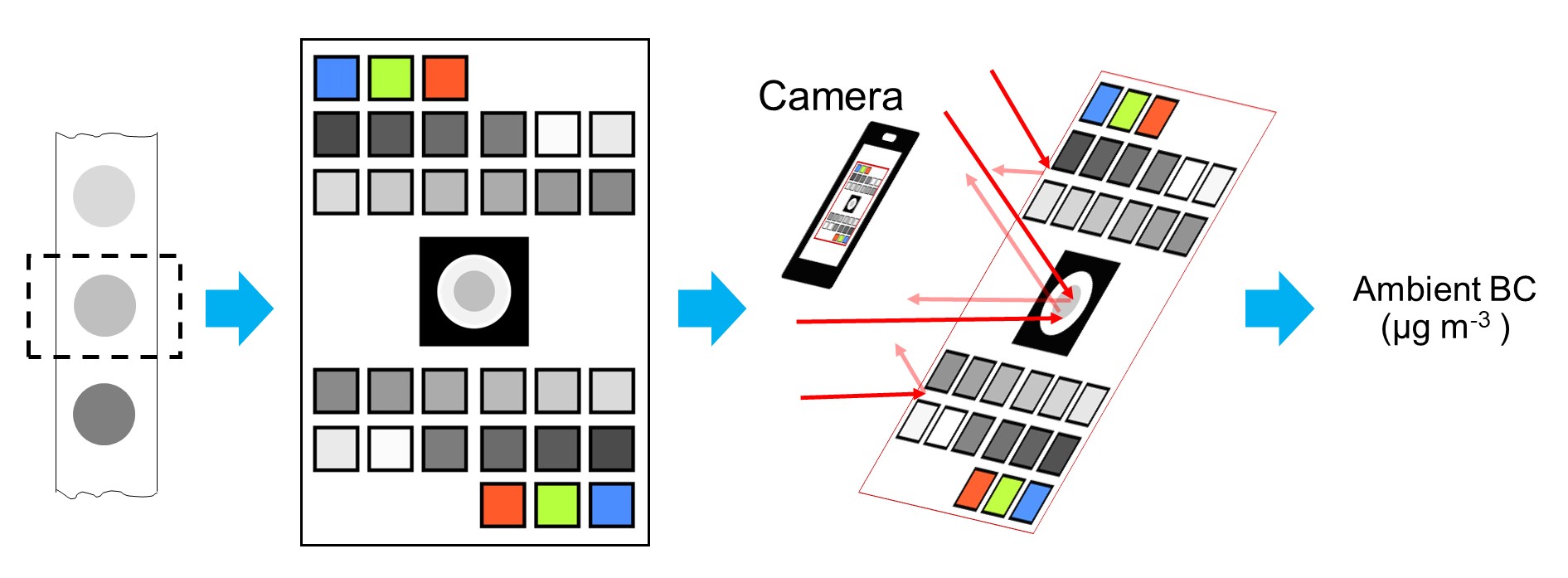
Estimation of Hourly Black Carbon Aerosol Concentrations from Glass Fiber Filter Tapes Using Image Reflectance-Based Method
Abhishek Anand, Suryaprakash Kompalli, Eniola Ajiboyec, Albert A. Presto*
Paper | Processing Code | Streamlit App | Instructions | Video
We deployed computer vision to build an image processing method to estimate atmospheric black carbon from particulate deposits on BAM filter tapes.
2021
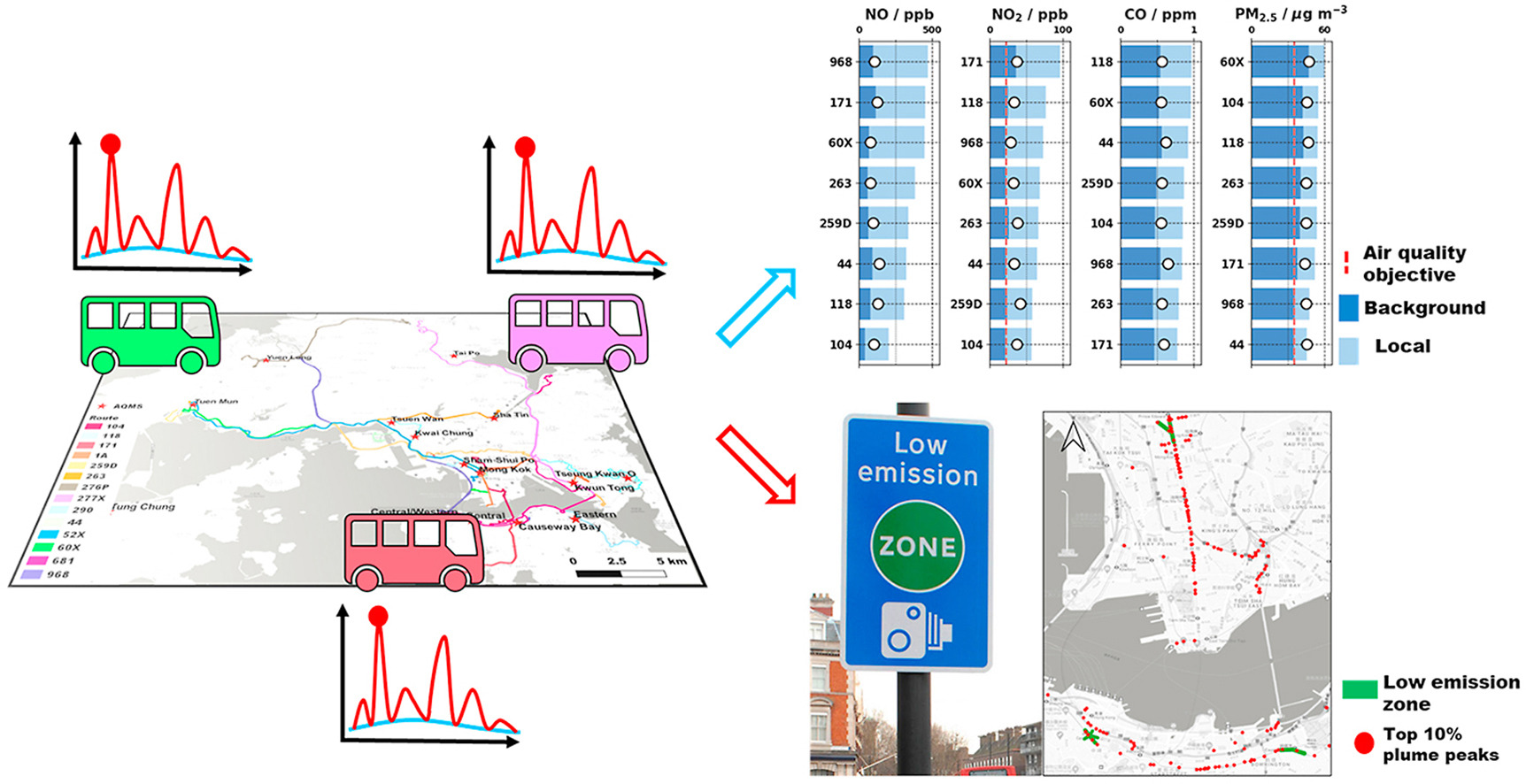
Determination of Local Traffic Emission and Non-Local Background Source Contribution to On-Road Air Pollution Using Fixed-Route Mobile Air Sensor Network
Peng Wei, Peter Brimblecombe, Fenhuan Yang, Abhishek Anand, Yang Xing, Li Sun, Yuxi Sun, Mengyuan Chu, Zhi Ning*
We applied wavelet analysis and lowest percentile methods to quantify contributions of traffic-related emissions to on-road gaseous and particulate levels.
2020
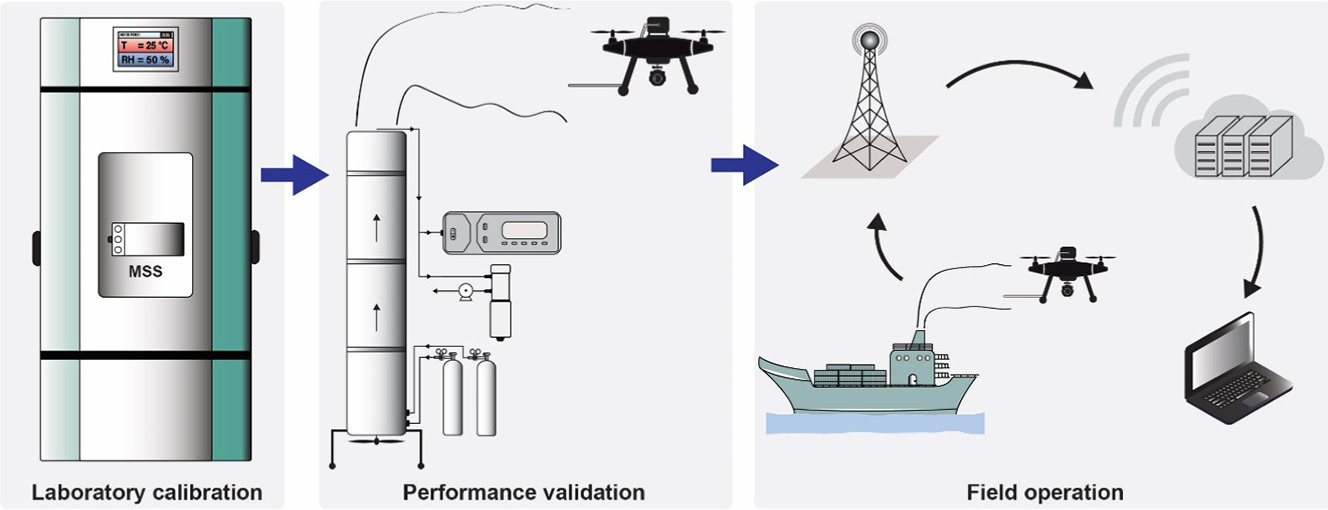
Protocol Development for Real-Time Ship Fuel Sulfur Content Determination Using Drone-Based Plume Sniffing Microsensor System
Abhishek Anand, Peng Wei, Nirmal Kumar Gali, …, Zhi Ning*
We developed an innovative solution for remotely measuring sulfur content in ship fuels from stack emissions using low-cost sensors on a drone, aimed at effective SO2 emissions policy enforcement.
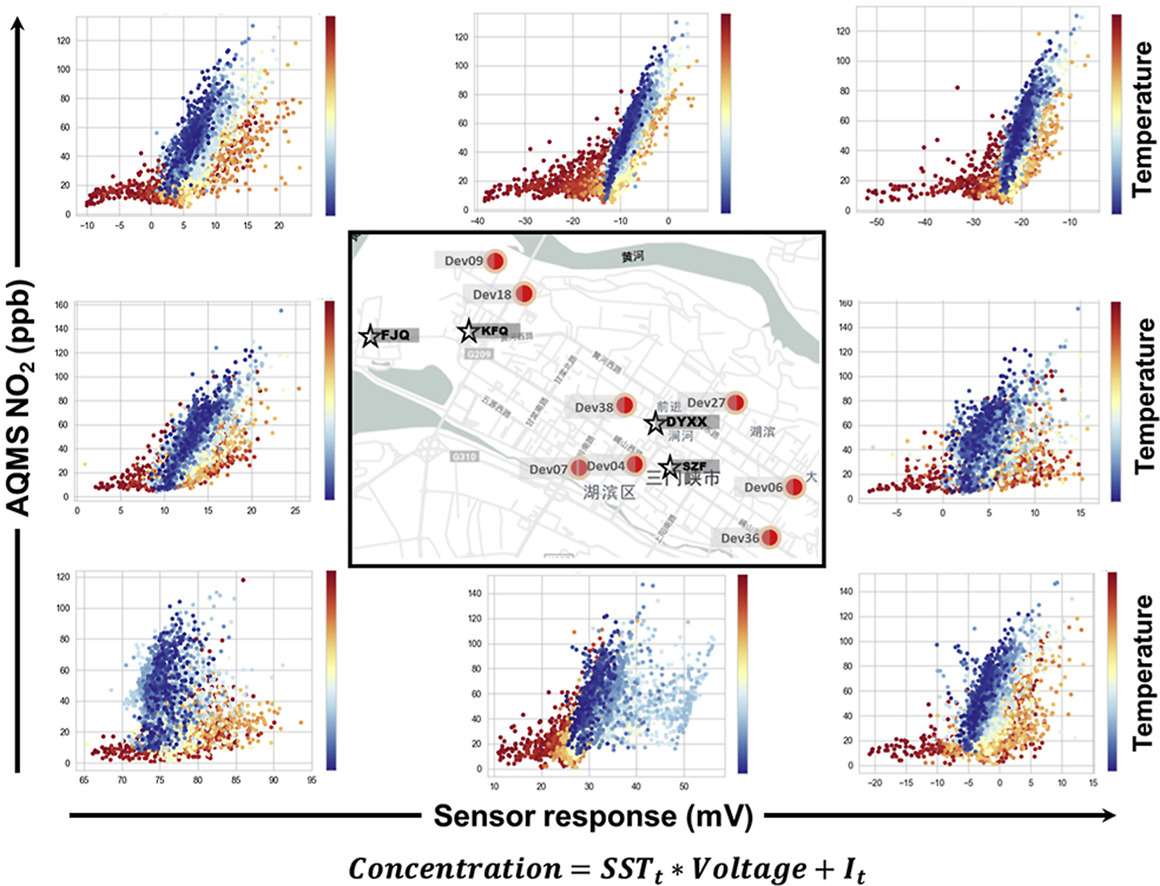
Development and Evaluation of a Robust Temperature Sensitive Algorithm for Long-Term NO2 Gas Sensor Network Data Correction
Peng Wei, Li Sun, Abhishek Anand, Qing Zhang, Zong Huixin, Zhiqiang Deng, Ying Wang, Zhi Ning*
We propose a novel Temperature Look-Up (TLU) model for NO2 gas sensor outputs in long-term applications, showing improved performance over existing ML and MLR correction methods.
Honors and Awards
- Winner, Hackathon on Applying Machine Learning for Subseasonal-to-Seasonal Climate Predictions, LEAP, Columbia University (2025)
- Travel Grant, American Association for Aerosol Research (AAAR) Conference (2023)
- Philip and Marsha Dowd Fellowship, Carnegie Mellon University (~$100,000 in tuition and stipend) (2022–2023)
- Milton Shaw Ph.D. Research Award, Department of Mechanical Engineering, CMU (2022)
- HKUST Awardee, 8th Global Young Scientists Summit, National Research Foundation, Prime Minister’s Office, Singapore (2020)
- University Grants Committee Research Travel Grant, HKUST (2019)
- Division of Environment and Sustainability Research Travel Grant, HKUST (2019)
- Hong Kong Government Innovation and Technology Fund Internship Award (2018)
- M.Sc. Excellent Student Scholarship, School of Engineering, HKUST (2017)
- Champion Award, BESTo Camp, HKUST Entrepreneurship Center (2017)
- Entrance Scholarship, School of Engineering, HKUST (2016)
- Ministry of Human Resources Development Scholarship, IIT Delhi (tuition for 4 years of undergraduate studies) (2011–2015)
Invited Talks
- NASA Goddard Space Flight Center (GSFC), Greenbelt, MD (May 2026)
- Health Effects Institute (HEI) Annual Conference, Chicago, IL (April 2026)
- Climate and Health Evaluation for Adaptive Resilience (CLEAR), New York City, USA (April 2026)
- Kintampo Health Research Center, Kintampo, Ghana (January 2026)
- Environmental Protection Authority, Accra, Ghana (January 2026)
- GRAPHS Manuscript Series, Columbia University, NY (December 2025)
- Solutions for Pollution Seminar, Geochemistry Division, Columbia University, NY (October 2025)
- Department of Civil Engineering, University of Illinois Urbana-Champaign, IL (October 2025)
- SPARTAN & CAMS-Net Joint Meeting, Washington University in St. Louis, MO (June 2025)
- Lamont 75th Mini-Symposium: The Data Driven Discovery, Columbia University, NY (May 2025)
- Air Sensors International Conference, Riverside, CA (May 2024)
Teaching & Mentorship
- Guest Lecture — Computing and Research Methods for Climate Data Science, Columbia University (February 2026)
- Introduced major climate datasets, tools to work with them, data structures, and research applications.
- Guest Lecture — Air Pollution & Measuring the Environment, Columbia University (November 2025)
- Delivered lecture on remote sensing principles and practical applications of NASA and ESA satellite-derived air pollution datasets.
- Future Faculty Career Program, Carnegie Mellon University (2020–2024)
- Designed to help early career researchers develop their teaching skills for a faculty career.
- Teaching Assistant, Carnegie Mellon University & HKUST
- Renewable Energy Engineering – CMU (Spring 2023)
- Fluid Mechanics – CMU (Spring 2022)
- GIS for Environmental Professionals – HKUST (Fall 2019)
- Carbon Emission Trading – HKUST (Spring 2019)
- Peer Tutor for Undergraduate Students, CMU (2022–2023)
- Physics I & II, Calculus, Differential Equations.
- Student Mentoring
- Undergraduate Research Mentor
- Columbia University: 2 Students (2025 - Present)
- CMU: 5 Students (2022 - 2024)
- Graduate Research Mentor
- Columbia University: 1 Student (2025)
- CMU: 2 Students (2023 - Present)
- Undergraduate Research Mentor
Academic Service
-
Member, AGU Atmospheric Science Section Early Career Committee (2026-2027)
-
Session Chair, AAAR: Advancing Aerosol Science Through Data Analysis (October 2025)
-
Panel Discussion, Spartan and CAMS-Net Meeting: Low-Cost Monitoring of Atmospheric Particulate Matter (June 2025)
-
Coordinator, Ocean and Climate Physics Department Seminar, Columbia University (2025–2026)
-
Core Representative, Postdoc/ARS Hardship Support Fund, Columbia University (2025–Present)
-
President, AAAR Student Chapter, Carnegie Mellon University (2023–2024)
-
Coordinator, Center for Atmospheric Particle Studies Seminar, Carnegie Mellon University (2022–2023)
-
Core Committee Member, CAPS Laboratory, Carnegie Mellon University (2021–2022)
-
Journal Peer-Reviewer (2023–Present)
- Geoscientific Model Development
- Environmental Science & Technology Air
- Environment International
- Scientific Reports
- Environmental Science and Pollution Research
Events
May 2026 — Gave an invited seminar at NASA Goddard Space Flight Center (GSFC), Greenbelt, Maryland, on the development of high-resolution satellite-derived PM2.5 datasets and their applications for air quality and health research in Africa.
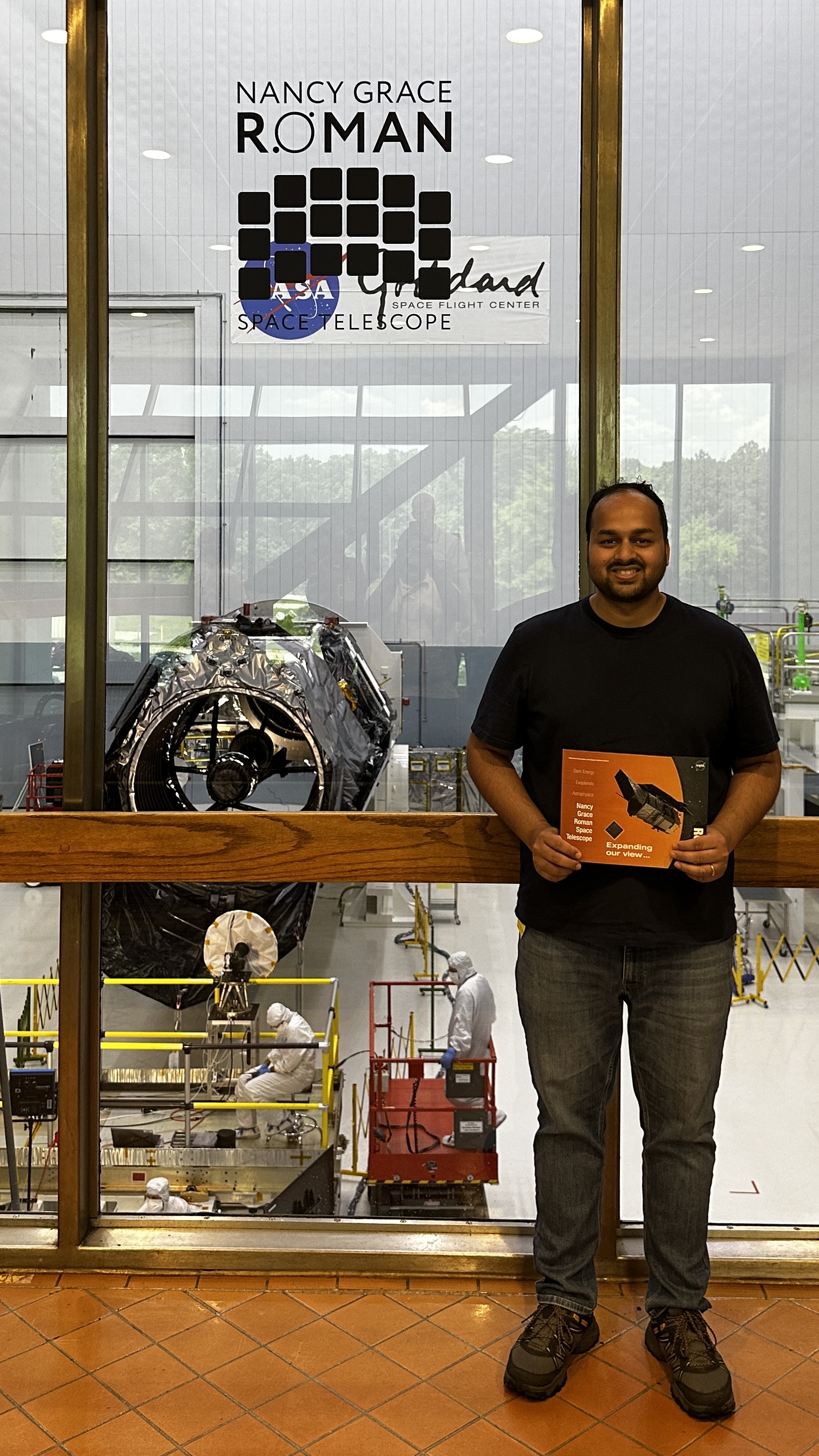 Standing with the Nancy Grace Roman Space Telescope at NASA Goddard Space Flight Center.
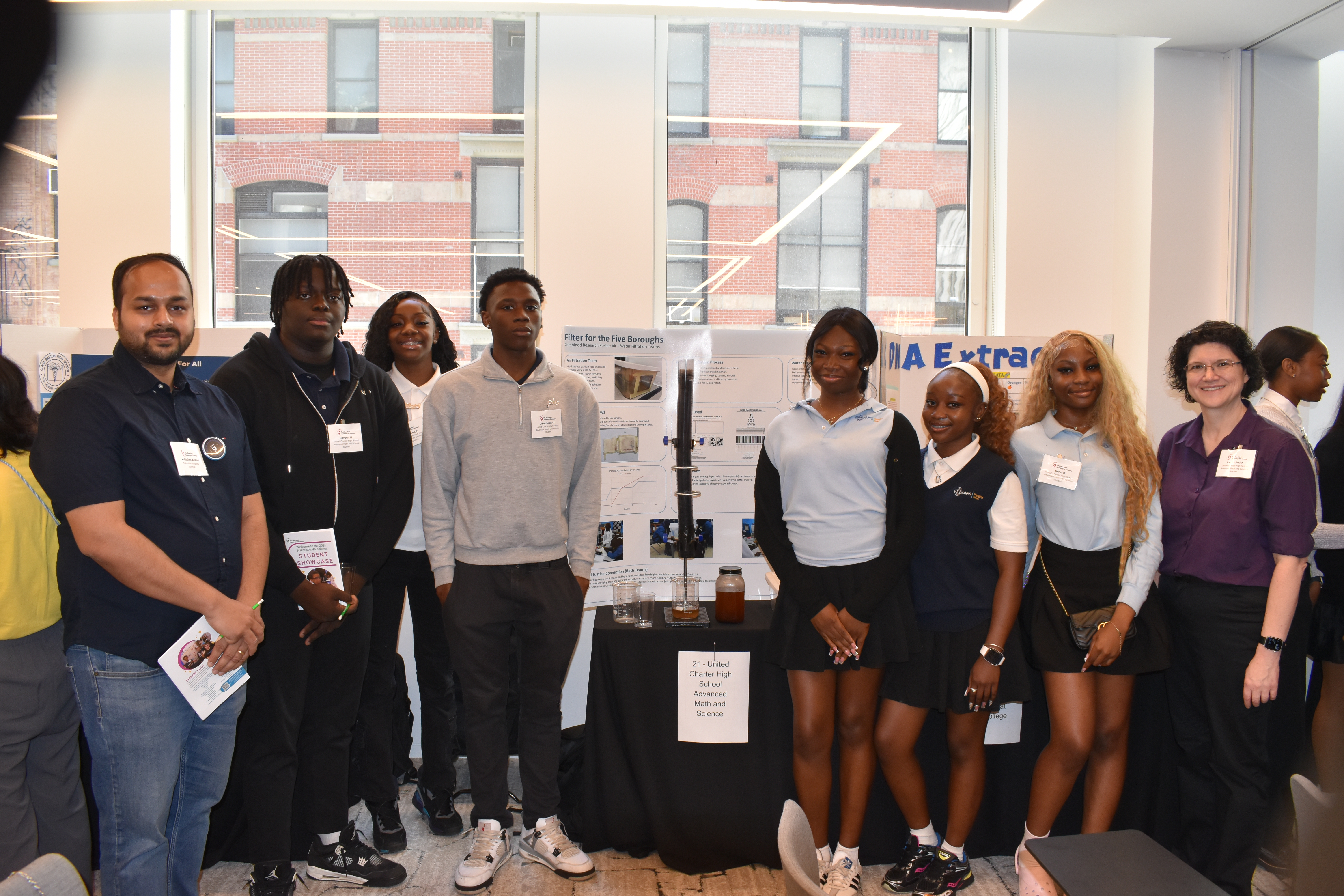
May 2026 — Participated as a Scientist in the New York Academy of Sciences (NYAS) Scientists in Residence (SiR) Program 2025–2026, mentoring high school students in scientific research and presenting at the program's annual showcase event.
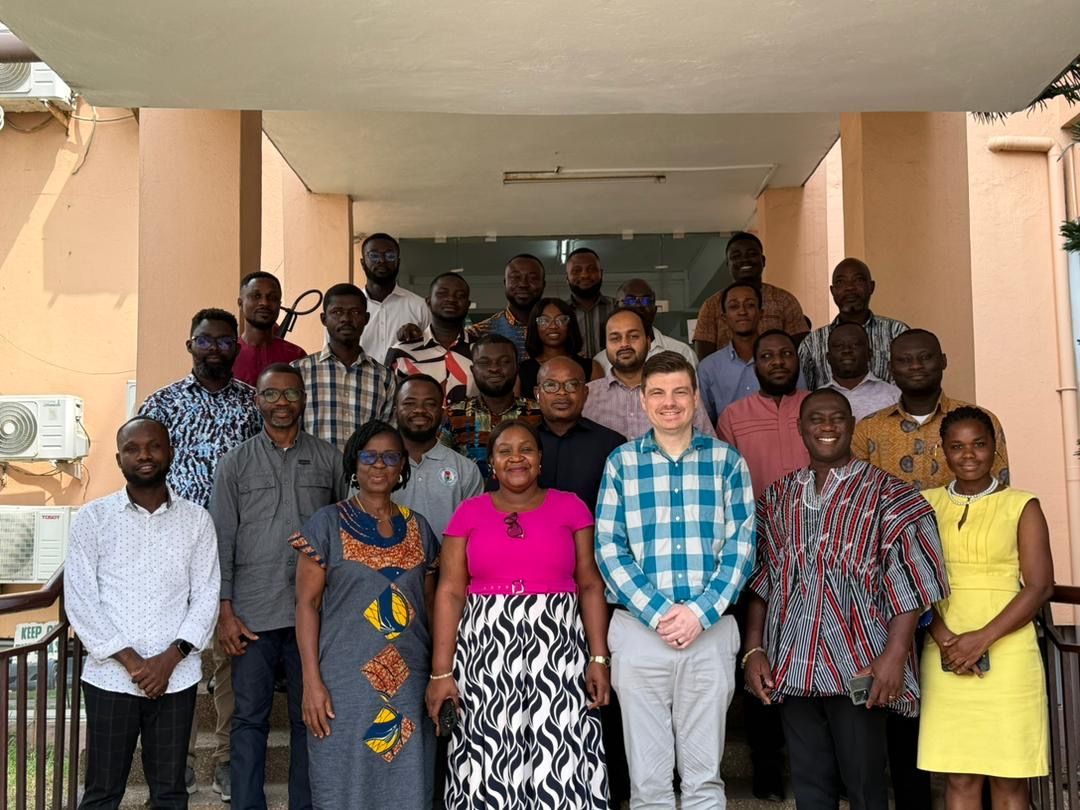
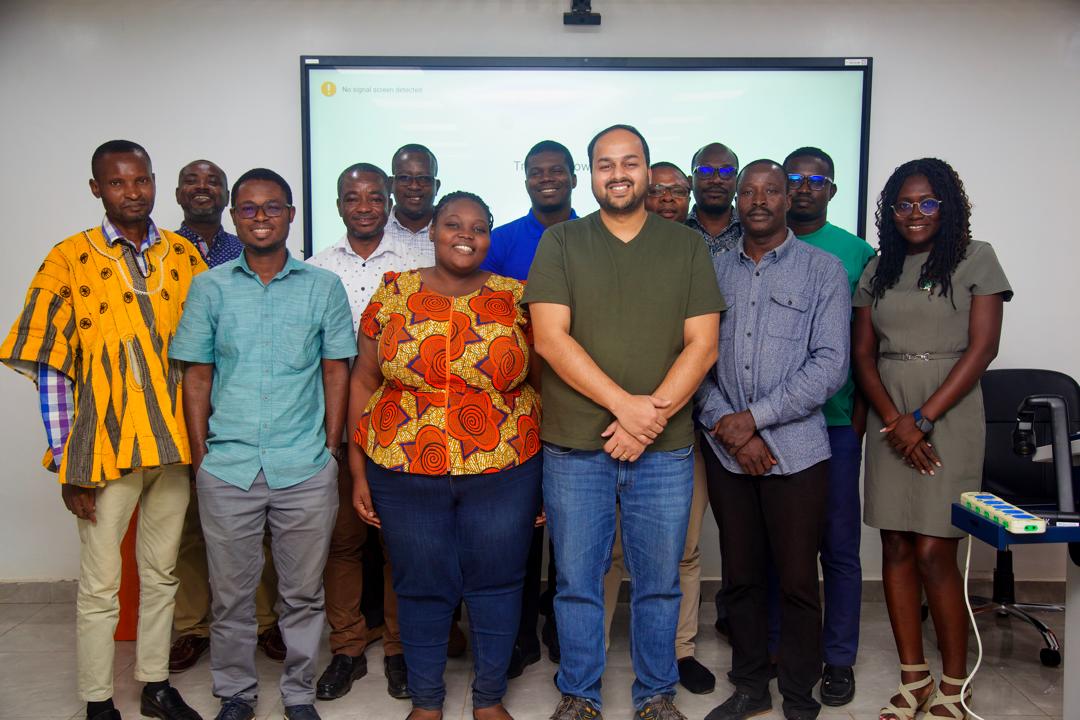
January 2026 — Ghana workshop at EPA and KHRC. Conducted training sessions on satellite-based air quality applications and environmental health research in Ghana.
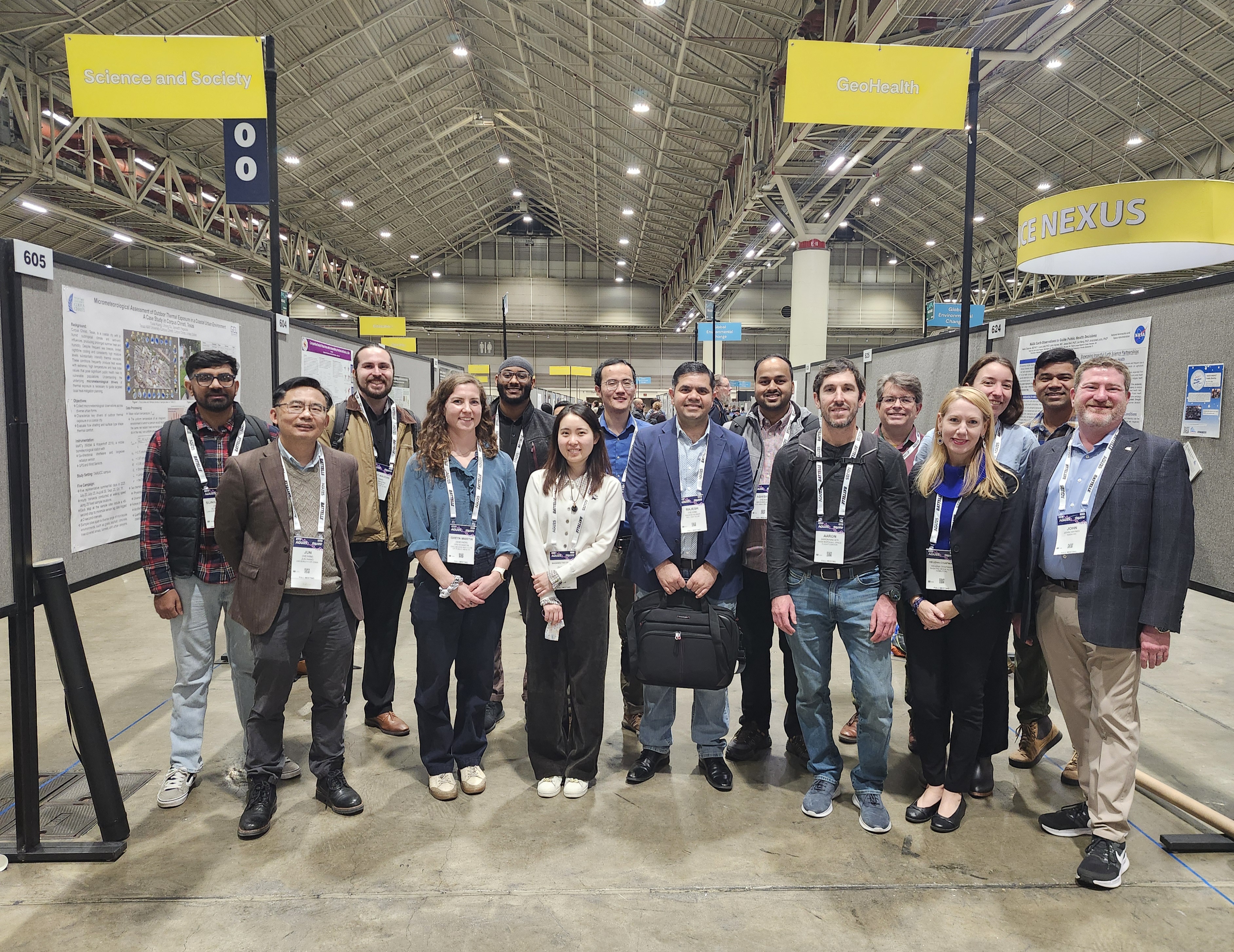
December 2025 — Presented in the NASA Health and Air Quality (HAQ) session at AGU 2025, New Orleans, Louisiana.
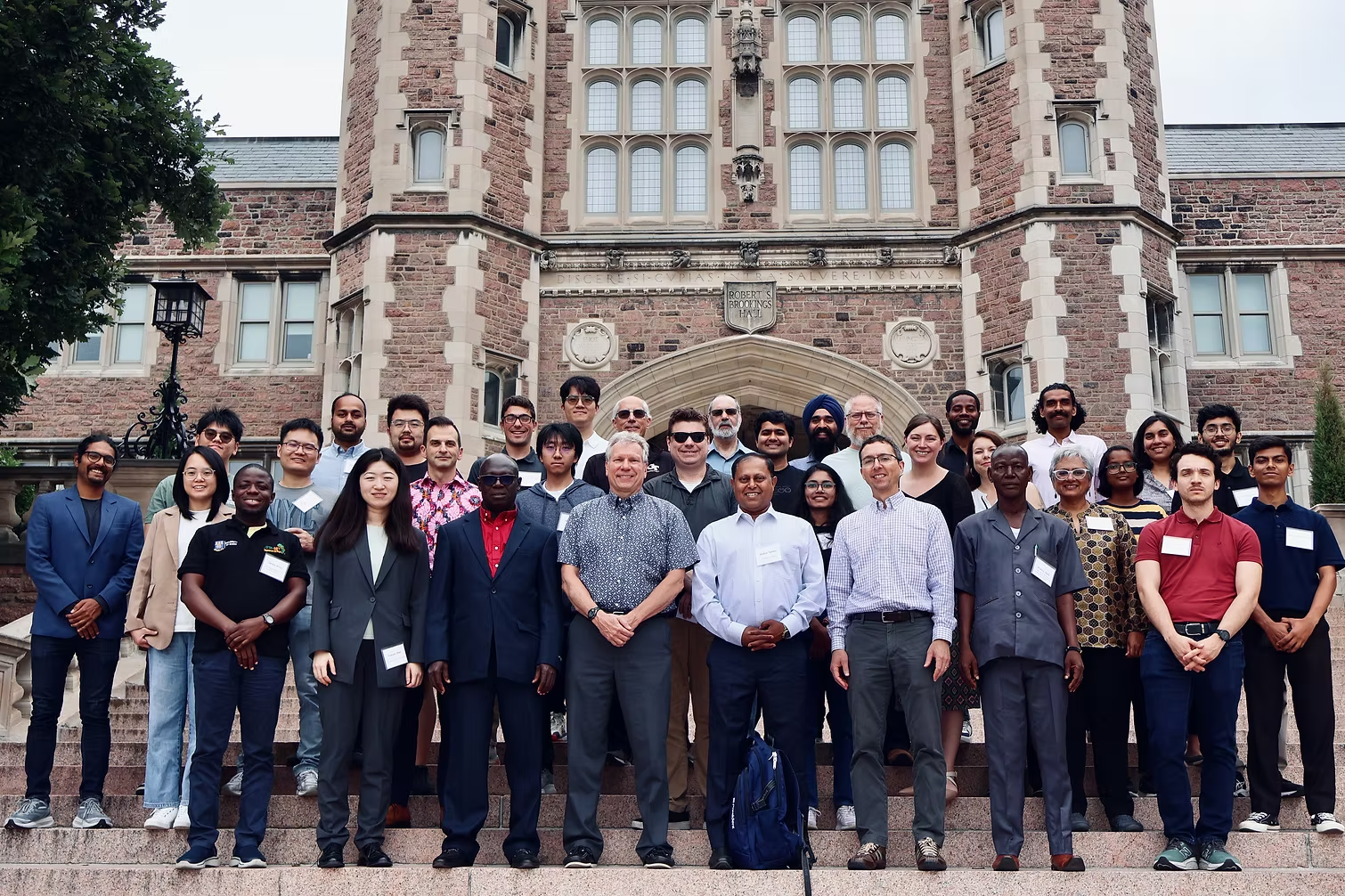
June 2025 — Presented at the CAMS-Net and SPARTAN meeting at Washington University in St. Louis.
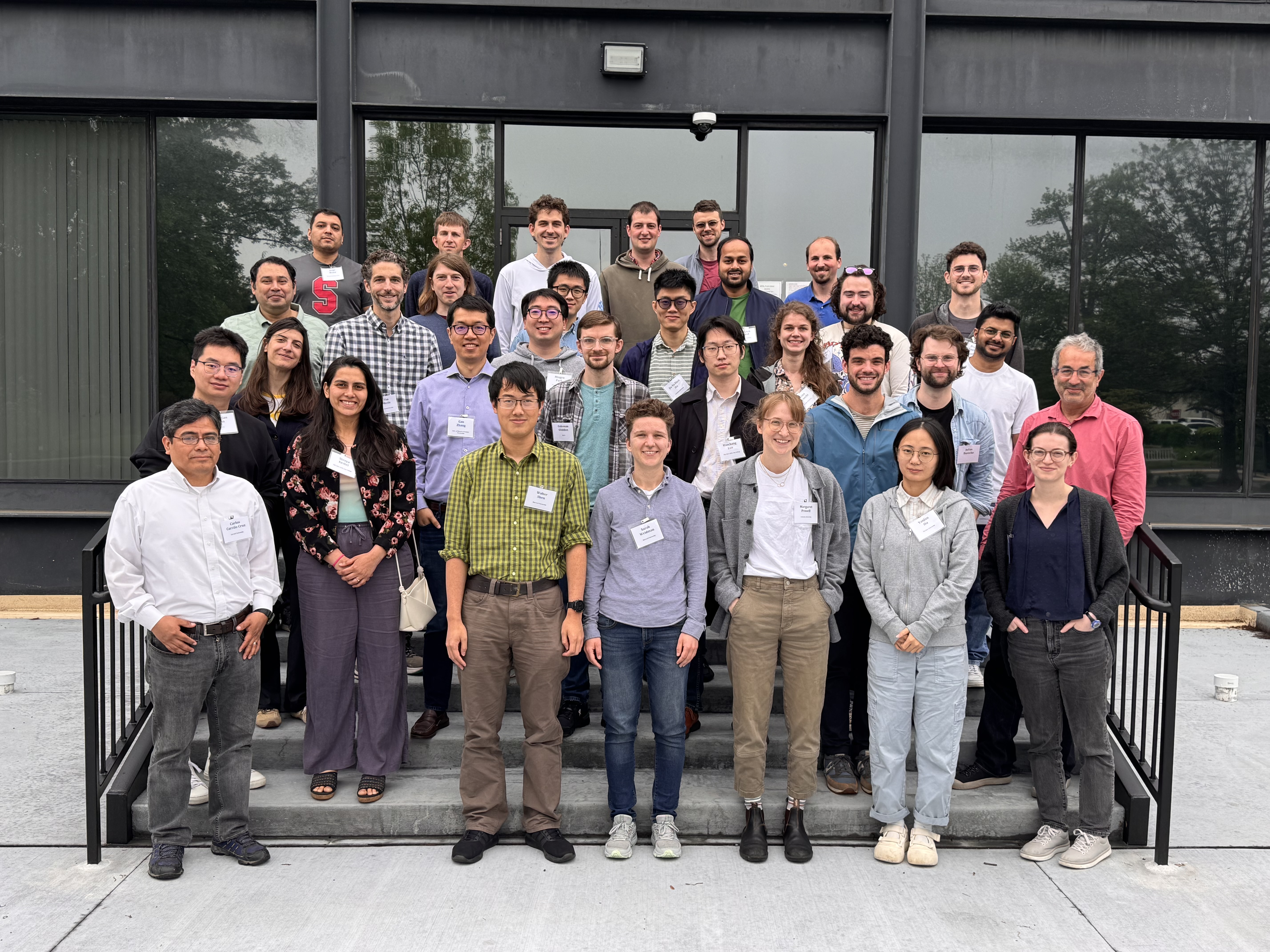
May 2025 — Attended the WCRP Global km-Scale Hackathon at GFDL, Princeton University.
January 2025 — Team El Ninos won 1st place at the LEAP Hackathon "Harnessing Machine Learning to Improve Subseasonal-to-Seasonal Climate Predictions" at Columbia University.
August 2022 — Awarded the prestigious Dowd Fellowship by the School of Engineering at Carnegie Mellon University.